
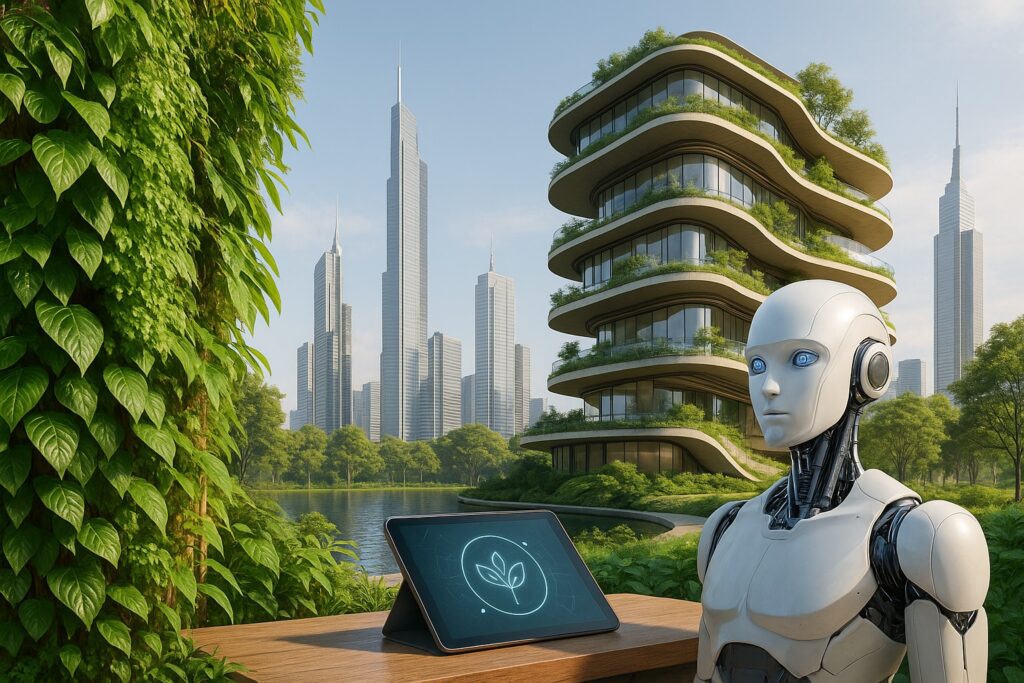
Lufanest is a word that has started catching attention in many fields. People mention it when talking about new ideas, creativity, and innovation. The word sounds modern, and its meaning connects with the way humans mix technology, design, and lifestyle. Lufanest is about balance — how we use smart systems while keeping a natural touch. It shows how progress can look simple but still powerful.
In this article, we will explore what Lufanest means, how it began, and where it is used today. You will learn how it works, its benefits, challenges, and the direction it may take in the future.
What Is Lufanest? Definition And Core Concepts
Lufanest is a modern concept that blends innovation, balance, and creativity. The word itself feels soft yet structured — a mix that mirrors its meaning. It represents the idea of creating something that looks simple on the surface but has deep thought behind it. In many ways, Lufanest describes how people today design solutions that are both smart and calm, functional and beautiful.
The name “Lufanest” can be seen as a combination of “lu,” which may suggest light or air, and “nest,” which stands for comfort and structure. Together, it brings the picture of a peaceful space that breathes — a system or design that works naturally without pressure or clutter.
At its core, the philosophy of Lufanest is harmony between complexity and simplicity. It believes progress does not need to look complicated to be effective. Instead, Lufanest supports designs, technologies, and lifestyles that feel natural to use, easy to understand, and connected to human needs.
Origins And Evolution Of Lufanest
The idea of Lufanest did not appear overnight. It grew from studies that connect nature, science, and human design. Early thinkers looked at how natural systems work — plants, animals, and even weather — and tried to use those ideas in modern technology. This mix of natural and artificial thinking became the base of Lufanest.
Over time, researchers in fields like architecture, environmental design, and digital innovation began to use this concept to explain balance in complex systems. Around that time, Lufanest started to describe a new way of building things that feel alive, like systems that can adjust and learn. It slowly became a word that links creativity with smart structure.
How Lufanest Works: Key Principles And Framework
Lufanest works on simple but strong ideas. It follows a pattern where humans observe, translate, and apply what they learn from natural systems or creative design. It is about seeing how things work in nature or daily life and then turning those patterns into smart human-made solutions.
Here’s how it usually moves:
- Observation: Everything begins with watching how the world behaves. It could be how plants grow, how people connect, or how energy flows. Lufanest teaches that deep observation leads to better understanding.
- Translation: After seeing, the next step is to turn that insight into something useful. For example, a designer might take inspiration from how trees manage light and create a building that uses sunlight in a similar way.
- Application: This is where the idea becomes real. The concept is shaped into design, product, or system that can help people in simple and meaningful ways.
This three-step path keeps Lufanest practical and creative at the same time. It allows progress that feels natural, not forced. Anyone can use this framework — artists, engineers, or even community planners — because it is flexible and easy to shape for different goals.
Applications Of Lufanest Across Sectors
Lufanest finds its place in many areas because its idea fits wherever balance and creativity matter. It connects science, design, and human life in ways that make sense.
Environmental Science And Ecosystems
In nature, every part has a role that supports the whole. Lufanest follows this pattern. Scientists use it to design green systems that copy how forests or rivers keep balance. For example, waste-to-energy plants that reuse natural heat flows show the same logic — clean, efficient, and in tune with the environment.
Architecture, Design, And Urban Planning
Architects use Lufanest ideas when creating spaces that breathe and adapt. A building with living walls, solar glass, and airflow patterns like a beehive shows how Lufanest turns structure into a living system. Cities that mix nature with modern design — walkable parks, water gardens, and smart homes — reflect this idea too.
Technology, AI, And Digital Systems
Lufanest helps tech experts make systems that learn and adjust smoothly. AI tools that copy how humans make quick choices or how plants respond to light use the same logic. Software built under the Lufanest model often runs cleaner, needs less energy, and fits user behavior naturally.
Wellness, Lifestyle, And Emerging Markets
In daily life, Lufanest inspires calm and order. Health products that balance modern science with natural materials, or digital platforms that lower stress through simple design, show how this concept works. Even new markets in fashion or interior design use Lufanest to blend comfort, beauty, and sustainability.
Benefits Of Adopting The Lufanest Approach
The Lufanest approach brings many clear advantages that help people, industries, and communities grow in smarter ways.
Adaptability and Resilience
- Lufanest supports flexible systems that can change without breaking. Whether it’s a city design or a digital tool, it adjusts to new needs with ease. This makes projects stronger and ready for future challenges.
Resource Efficiency
- It teaches using less to achieve more. Designs inspired by Lufanest often save water, power, and materials. Every step focuses on balance — creating value while protecting what we already have.
Innovation Across Disciplines
- Lufanest brings together art, science, and technology. It helps experts from different fields work together, leading to ideas that are fresh and useful.
Sustainability and Long-Term Value
- Everything built with Lufanest thinking lasts longer because it fits naturally within its environment. It avoids waste and supports both people and nature, making it valuable in the long run.
Challenges And Limitations Of Lufanest
Even though Lufanest sounds promising, it faces real challenges when put into action. The first issue is implementation complexity. Many people understand the idea, but turning it into working systems or business models takes effort. It often needs special skills and time to get results.
Another concern is data gaps and validation. Since Lufanest connects nature, design, and technology, it depends on accurate data. Missing or weak information can slow progress and make results less reliable.
Resistance from industries also appears. Some sectors prefer familiar methods and are slow to accept new ideas. A lack of awareness or training makes it harder to see how Lufanest can improve things.
Lastly, interdisciplinary coordination is tough. The concept requires people from many fields to work together — designers, engineers, scientists, and artists. Without good communication, projects lose focus and harmony.
Future Trends And Possibilities For Lufanest
Lufanest is expected to grow fast as the world looks for smarter and calmer ways to live. In smart cities, its influence can shape buildings that respond to weather, save energy, and blend nature with urban life. The same logic can guide climate adaptation — systems that adjust to heat, rain, or population changes while staying in balance with the environment. Personalized living spaces and home systems may also use Lufanest design to fit each person’s comfort and routine.
In technology and healthcare, Lufanest could drive the next wave of progress. New AI models may follow its natural, self-adjusting flow instead of rigid coding. Hospitals and wellness tech could use its ideas to make care more human and less mechanical. Digital tools built this way would feel simpler, more intuitive, and closer to how people actually think.
Over time, Lufanest might change how people see innovation itself. Instead of chasing speed or size, it encourages harmony and purpose. That shift — from constant growth to balanced design — could become a new way of thinking for future creators, companies, and communities.
Conclusion
Lufanest shows how simplicity and intelligence can work together. It connects technology, nature, and design into one clear path. From green cities to smart tools, every idea under Lufanest focuses on calm progress — growth without chaos. The concept proves that innovation can look gentle yet be powerful enough to shape the future.
For individuals and organizations, understanding Lufanest means learning how to create balance in a fast world. It teaches how to design systems, products, and lifestyles that feel right — not just work well. The best part is, anyone can apply it. Whether you build homes, apps, or ideas, Lufanest helps you think with care and act with purpose.
FAQ’s:
What Does The Term “Lufanest” Mean?
Lufanest stands for a modern idea of balance between nature, design, and technology. It focuses on creating smart, simple, and human-friendly systems.
Where Is Lufanest Used Today?
You can see Lufanest ideas in architecture, green design, artificial intelligence, wellness, and digital innovation. It guides projects that aim to blend function with harmony.
Why Is Lufanest Important For The Future?
Because it promotes sustainable progress. Lufanest helps people and companies design systems that save energy, reduce waste, and support long-term well-being.
Can Individuals Apply Lufanest In Daily Life?
Yes. You can use its principles by keeping your environment simple, choosing eco-friendly designs, and using technology that fits your natural rhythm.
How Is Lufanest Different From Other Design Or Tech Trends?
Unlike short-lived trends, Lufanest is more of a mindset. It’s not about speed or flash — it’s about meaningful growth that connects with both people and nature.
Thank you for visiting Smart Fix Guide! For more helpful tips and quick solutions, check out the other guides on this website.
Disclaimer
The information in this article about Lufanest is shared for general educational purposes only. It is not expert or professional advice. Readers should do their own research or consult specialists before applying any ideas mentioned here.